ONE OF EVERYTHING
People + Places
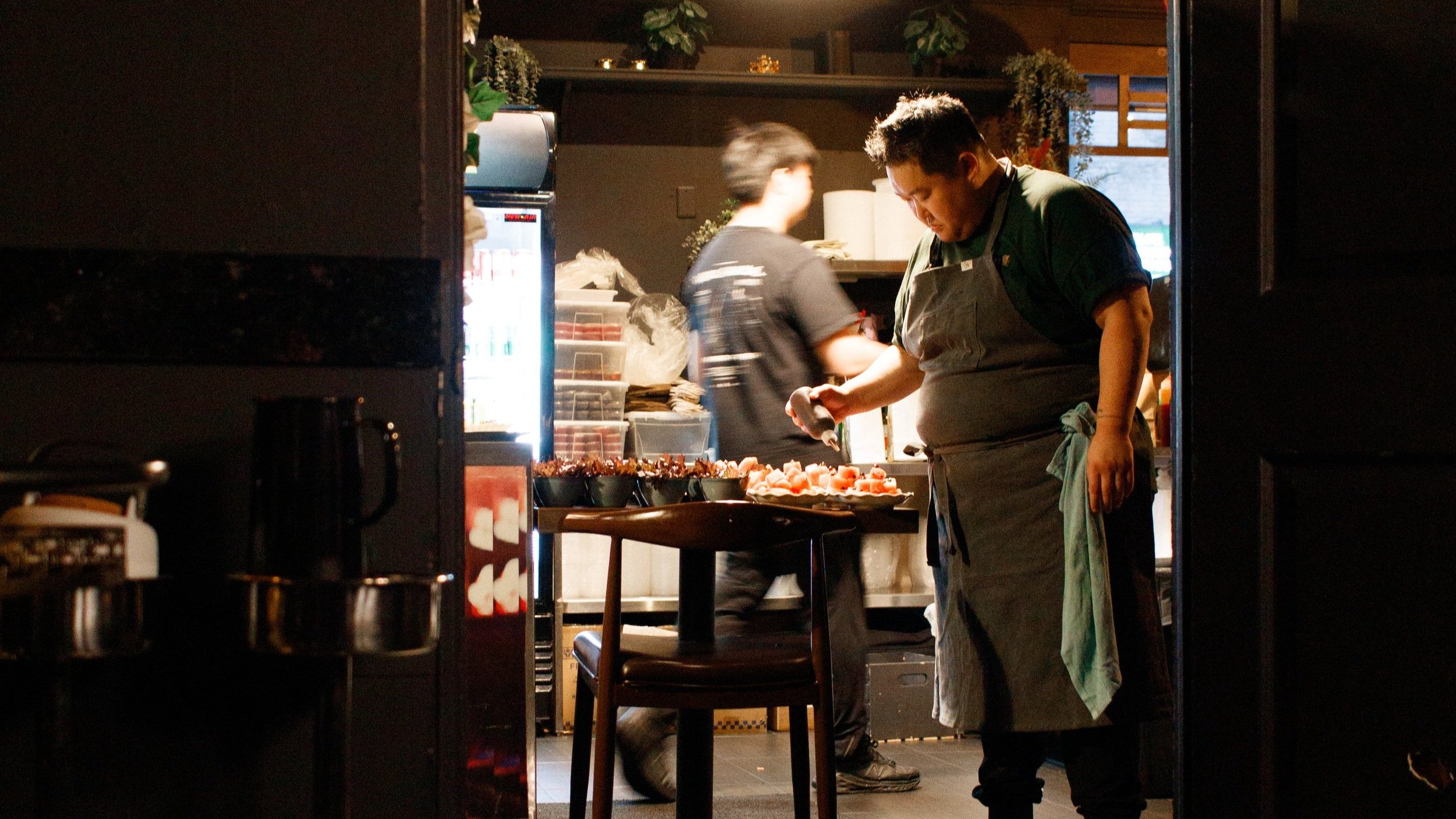
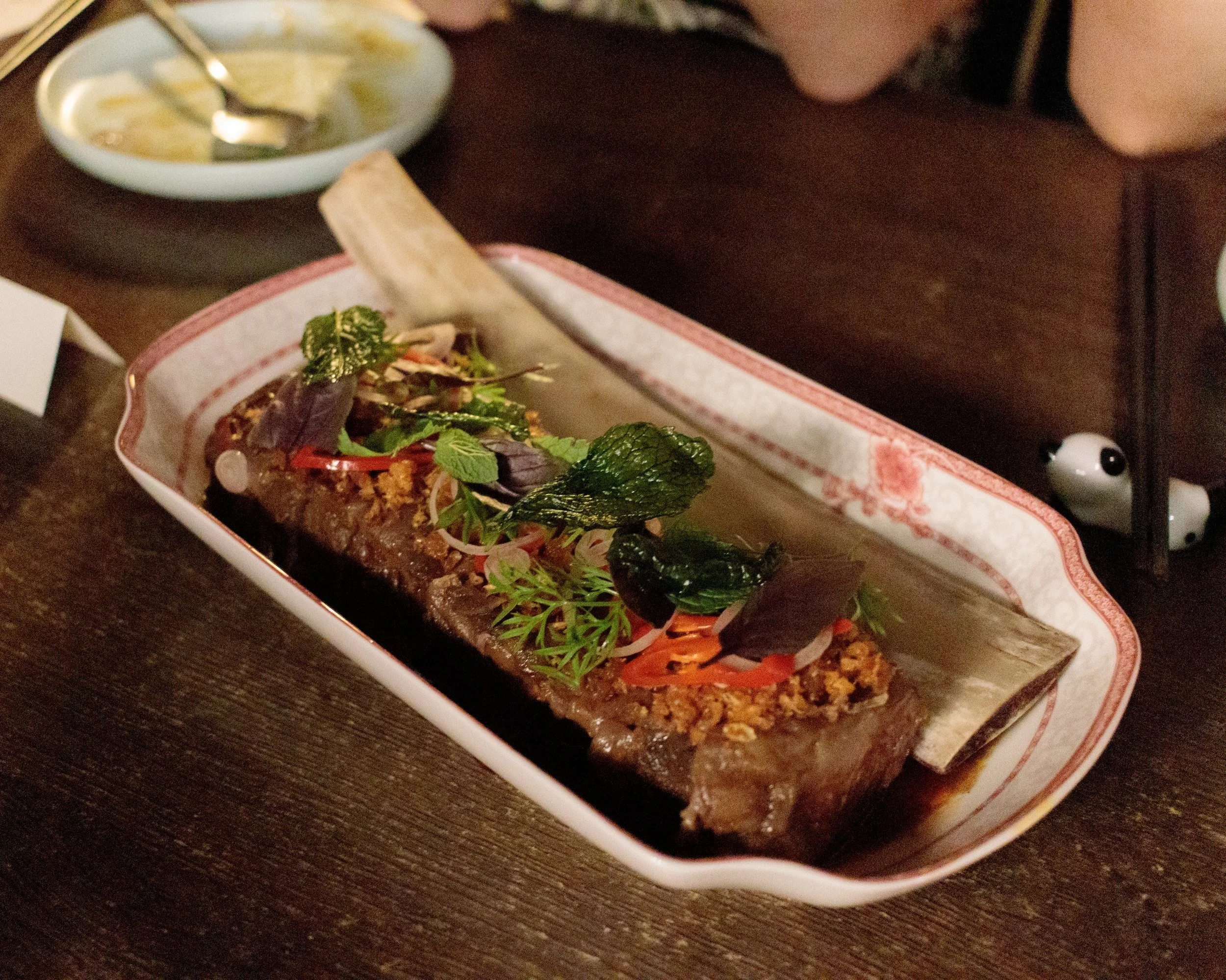
Chef Eva Chin is reshaping the landscape of Chinese cuisine in Canada with her innovative Neo-Chinese dishes. Drawing from her diverse cultural background and experiences, Eva combines traditional Chinese techniques with local Canadian ingredients to create a culinary experience that bridges history, identity, and culture. Discover how her storytelling through food is making waves in the Canadian food scene.
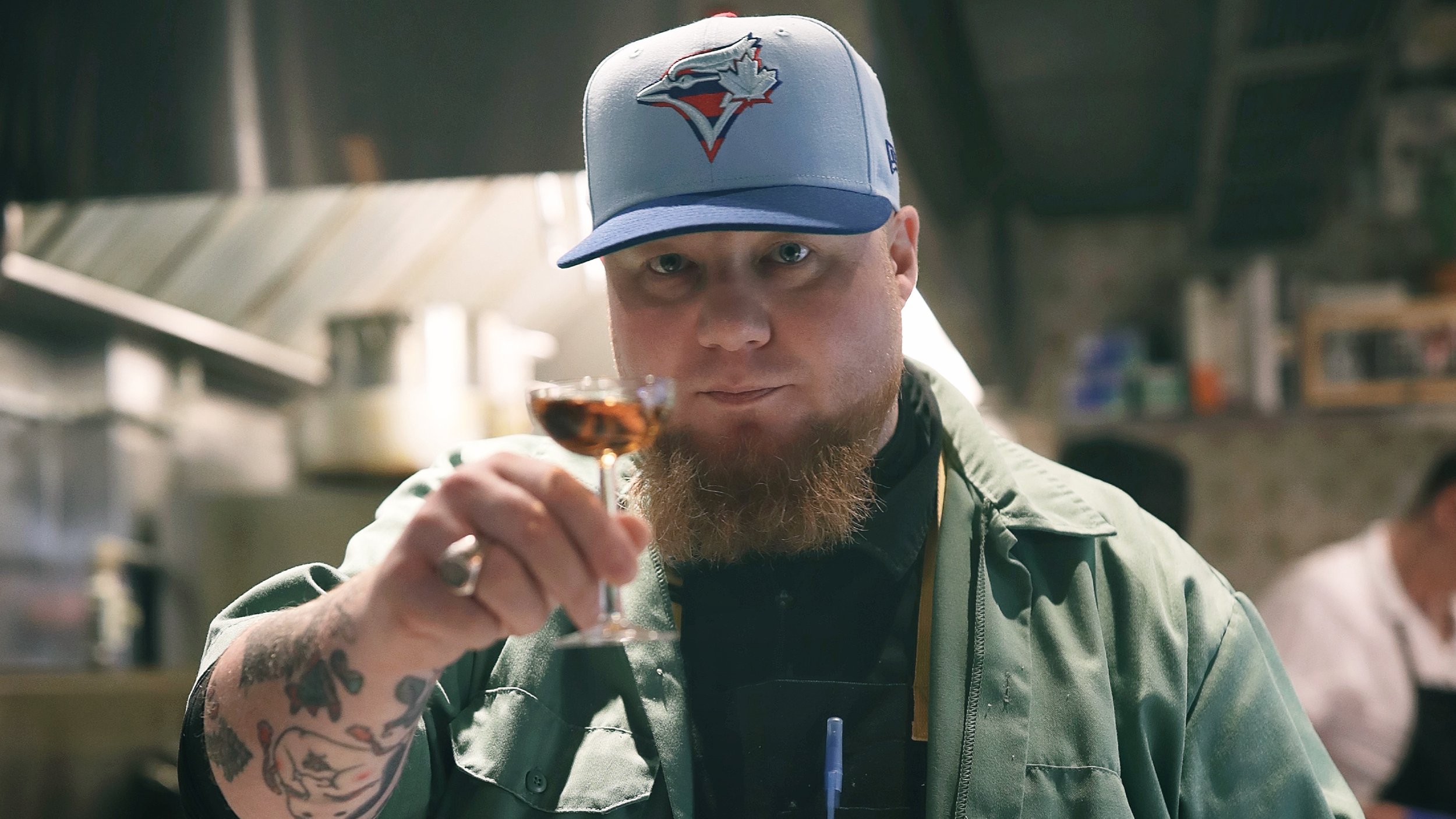
In the heart of Toronto's culinary scene lies a hidden gem, Beast Pizza, where Chef Nate Middleton’s unique approach to cooking, coupled with his dedication to mentorship and collaboration challenges the conventions of the fine dining scene. From his humble beginnings to becoming a pivotal figure in the industry, Nate's journey is as inspiring as his culinary creations.

From brewer (and blender) of craft beers at the most renowned Lambic breweries in the world to rebel hot sauce maker, the incredible story of ONIMA founder Tyler Morgan Mains takes us from Kentucky, to Belgium, and now Barcelona where Tyler is pushing the boundaries of hot sauce making.
Food for Thought
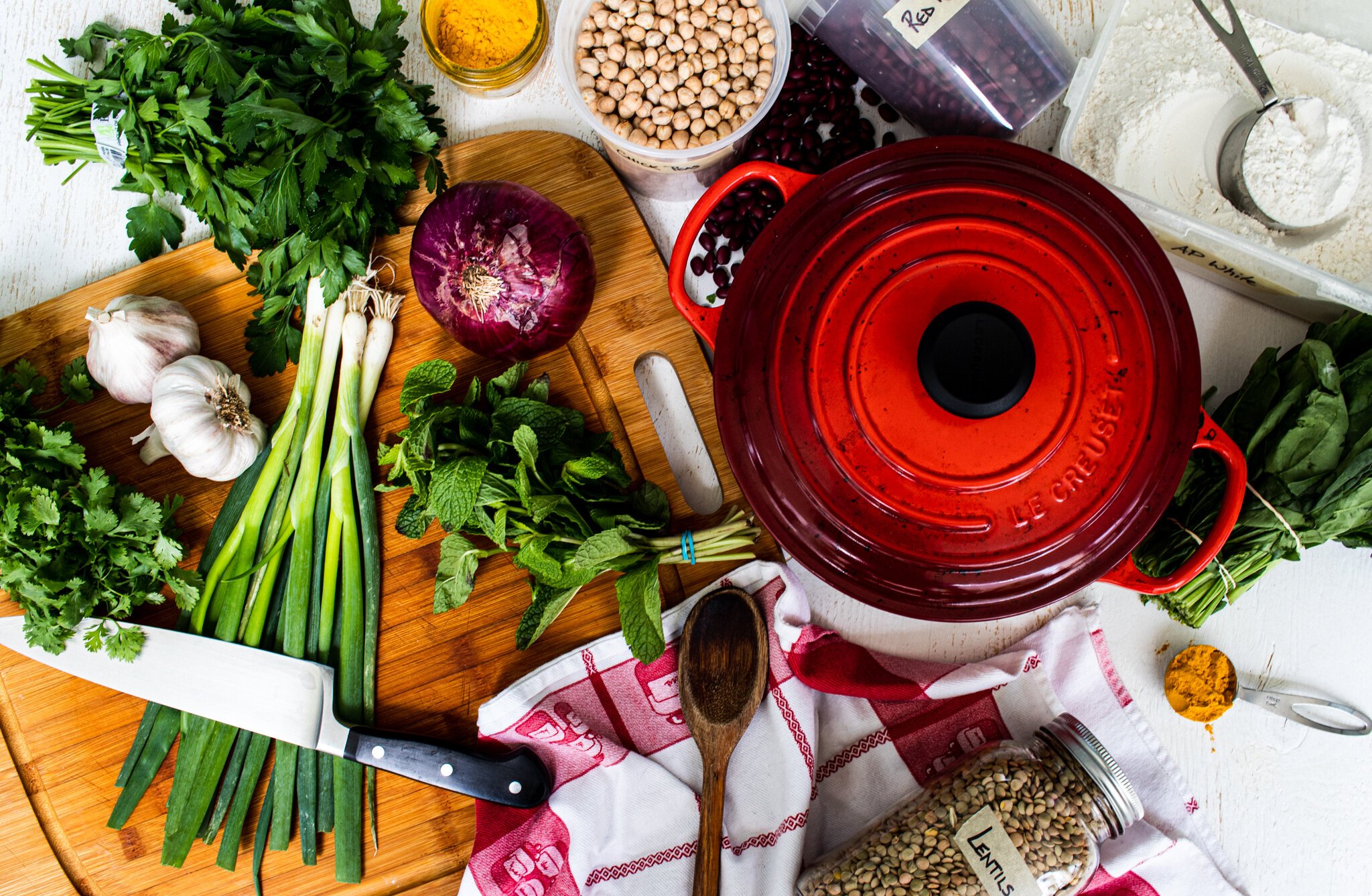
The Coronavirus has exposed some serious flaws in our relationship with food, but in doing so, it allowed us to reconnect with cooking and each other.
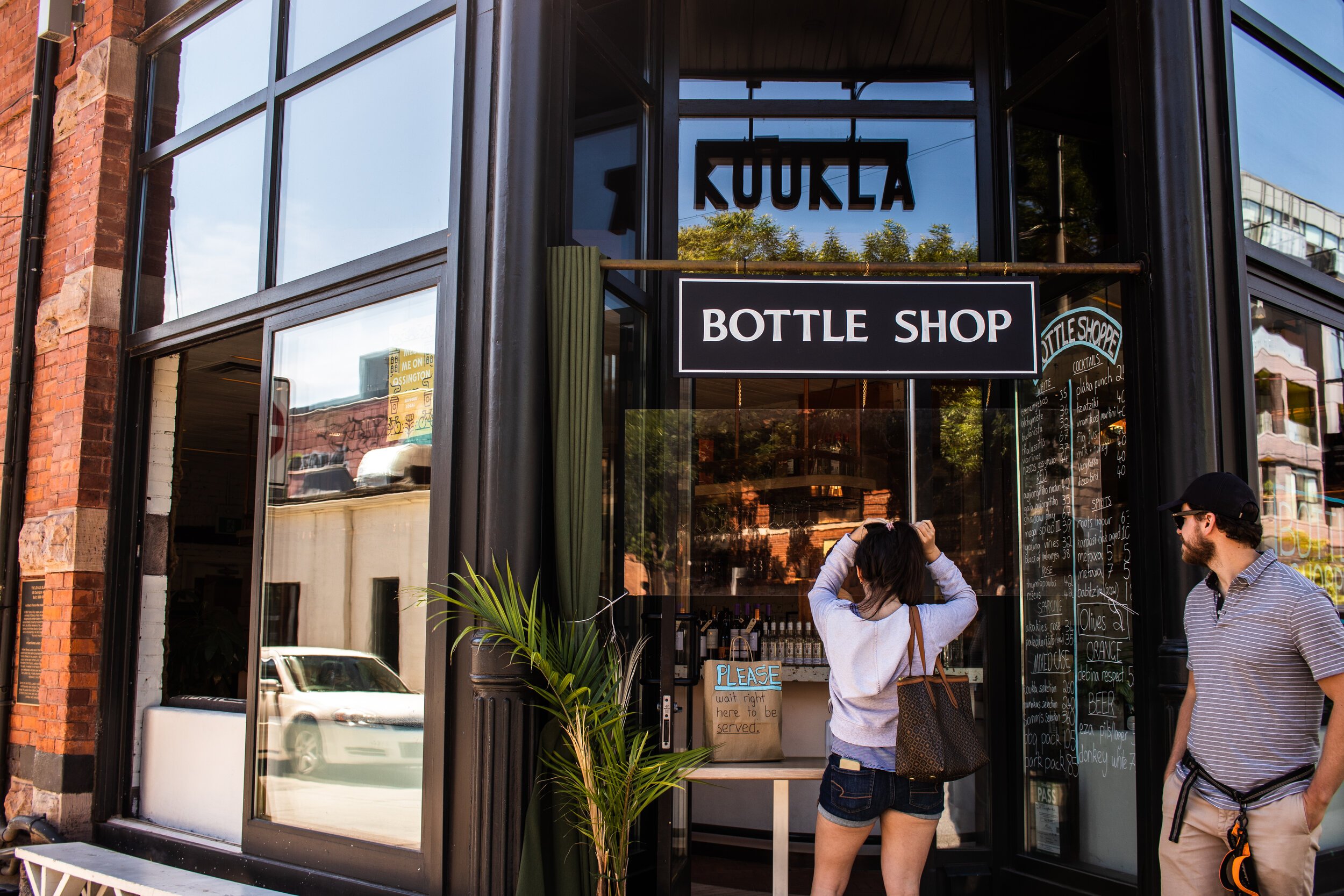
Over the past 3 months (!) of isolation, I’ve kept a pulse on my favourite restaurants and specialty food shops with dreadful anticipation. Having worked in the industry and once owned a food business myself, I can tell you that the traditional business model for an independent restaurant is not meant to withstand unexpected closures, especially one of this magnitude.
Travel
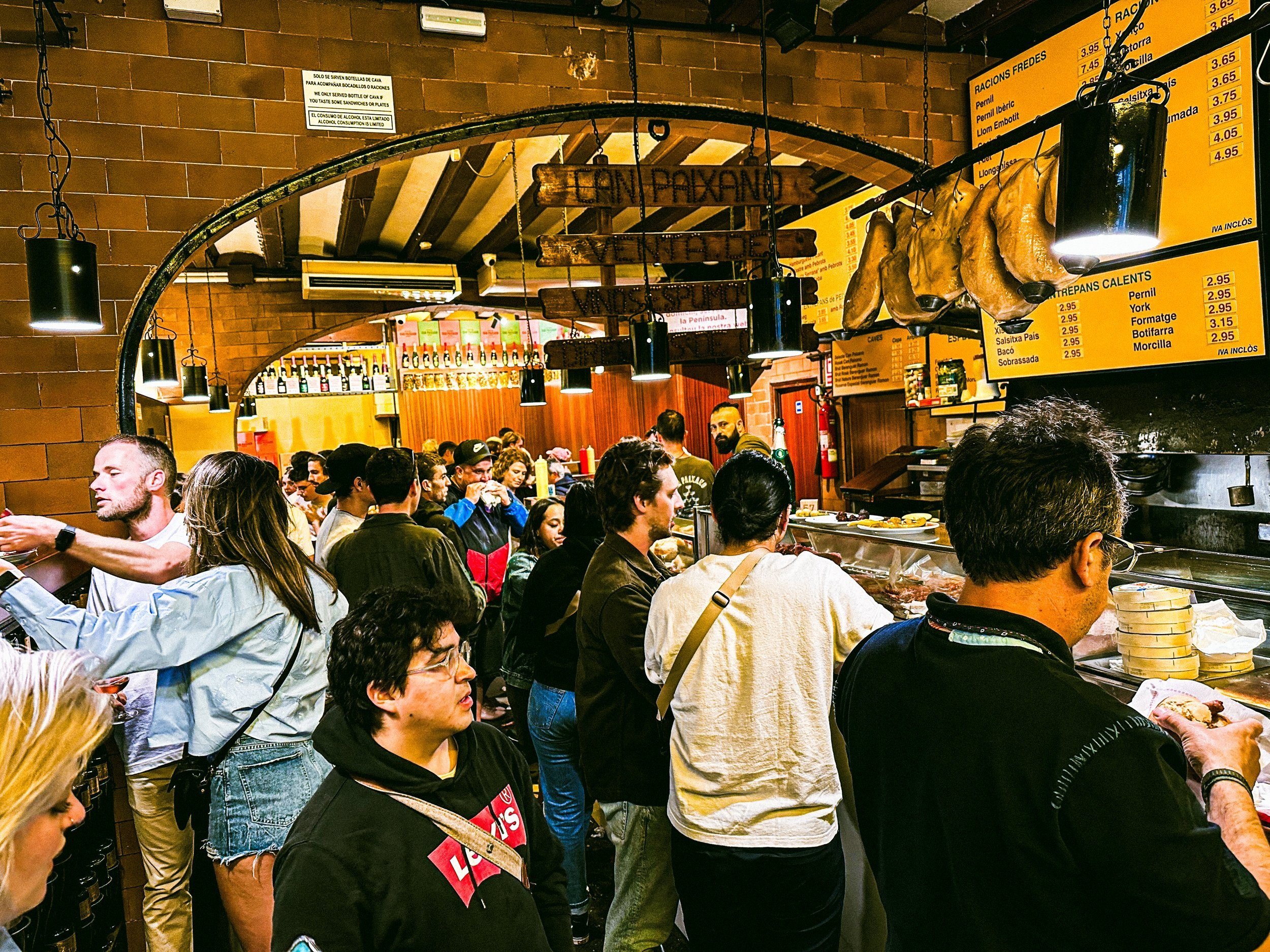
The following is by no means derived from research or advice from cultural experts, but merely foods that were such revelations to us that we could not imagine a visit to Barcelona, or Spain for that matter, without consuming these in abundance and with abandon.

Visiting India is a journey into the food and culture of the land of spices. My plane landed in the capital of India, Delhi. From there, my journey took me through the Northern Indian state of Rajasthan, bordering Pakistan. It’s a state known for sandy deserts, traditional multi-coloured fabrics, folk arts and culture, ancient traditions, and, most importantly, its royal historic palaces and forts. Today, these palaces and forts are reminders of the many kingdoms that over time ruled the state and have now become major tourist attractions. I was there to see family, travel to new cities, and announce my sister’s pregnancy. But there was one thing that was constantly on my mind: food.

In a world where remote work is becoming the new norm, ‘anywhere’ is now the new office. And while this lifestyle sounds pretty sweet, it comes with its own intricacies. The biggest challenge for independent workers is setting boundaries; when there’s barely any physical separation between work and home, the mental line separating work from life begins to blur.
In The Kitchen

This is mine frire.
The name of this staple alone exemplifies the diverse ethnic makeup of Mauritius. Mine derives from the Hakka word for noodles, mein. Frire comes from the French word for fry. In Mauritius, it’s among the most democratized of all its dishes - you can get it everywhere and it’s made by everyone.
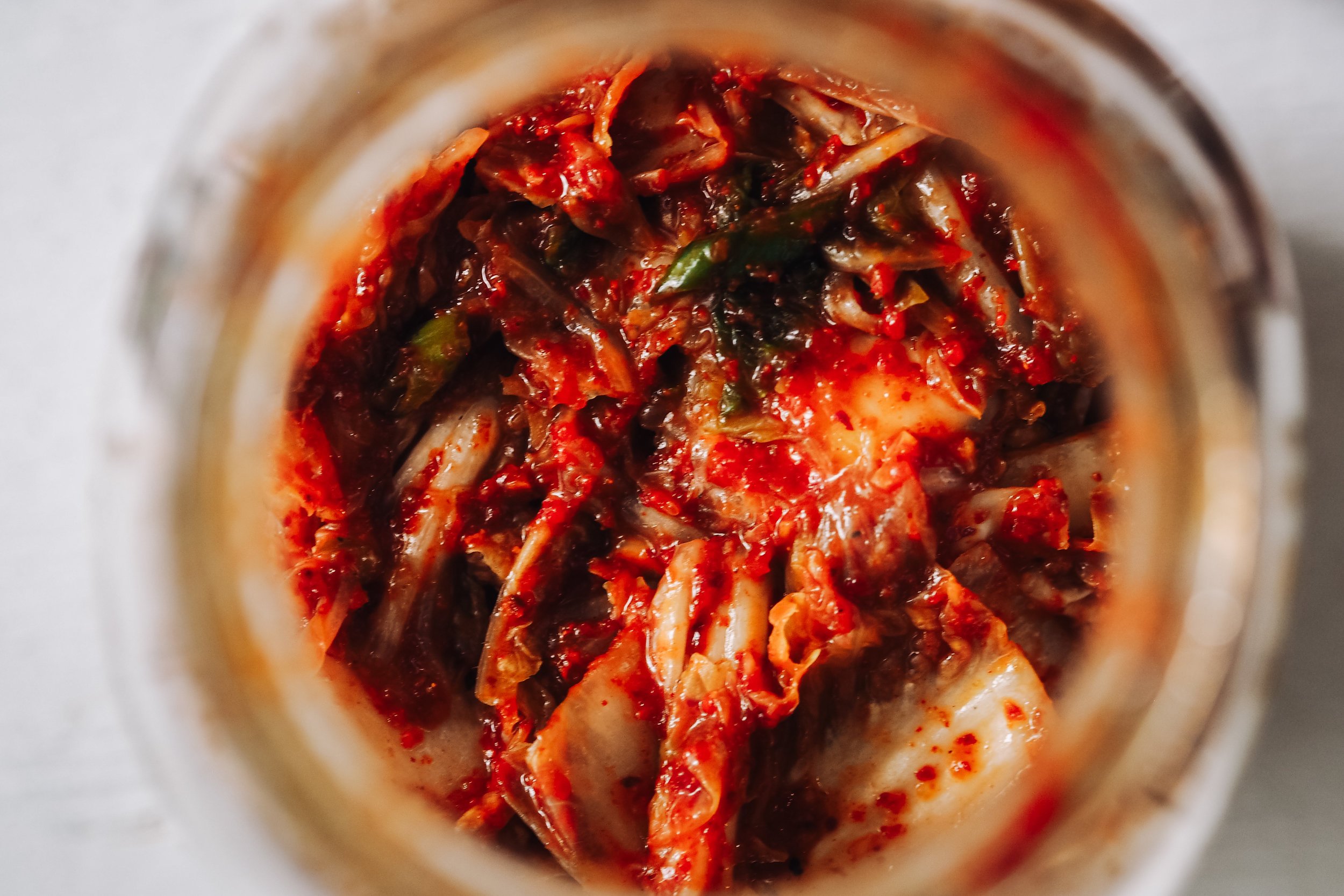
You may have noticed that we, The 3 Spoons, have developed an obsession with fermentation - the most ancient and natural practice of preserving food. By delving into the making of beer and sourdough bread, we’ve been indoctrinated with its health benefits, but even more fascinating is its crucial role in the history of human civilization. This issue, we are exploring the afterlife of food - the different methods of natural preservation - and thought it fitting to start with something our dinner table is rarely without.
In our household, there are a handful of things that you will always find: Keen’s mustard, freshly roasted coffee beans, cornichons...and kimchi. Our avid consumption of kimchi is arguably comparable to most Korean Canadians. Unusual, given that neither of us is Korean. Given the speed at which we can finish a 1.2 kg tub of kimchi, I’ve begun to make my own.

Here’s a recipe for the next time you’re bringing dessert to a seafood-themed dinner party. Inspired by one part morbid curiosity, two parts Iron Chef, we wanted to round out our trio of seafood recipes with something decidedly thematic. Seafood dessert. You read that right; and it couldn’t be more simple. Allez cuisine!
It started with a simple question: could we make a three-course seafood meal? Appetizers (like our salmon gravlax) and mains (may we suggest our clam chowder?) are easy. But dessert? There are few things more culinarily disconcerting than sweet seafood. Challenge accepted.

On my annual visits to see Uncle Regis (link ) in San Francisco, I had developed a habitual 1-day walking tour, which I embarked upon every single trip. The route began with dim sum at Yank Sing in the Rincon Center, followed by a pilgrimage to the Ferry Building Marketplace, and then a leisurely stroll along The Embarcardero all the way to Fisherman’s Wharf.
It had been years since I’ve been back to San Francisco. Coincidentally, the city is also where I was introduced to my very first cookbook over a decade ago. At the time, Uncle Regis had an obsession with America’s Test Kitchen and after spending days flipping through The America’s Test Kitchen Family Cookbook, I got myself a copy as soon as I was back home.
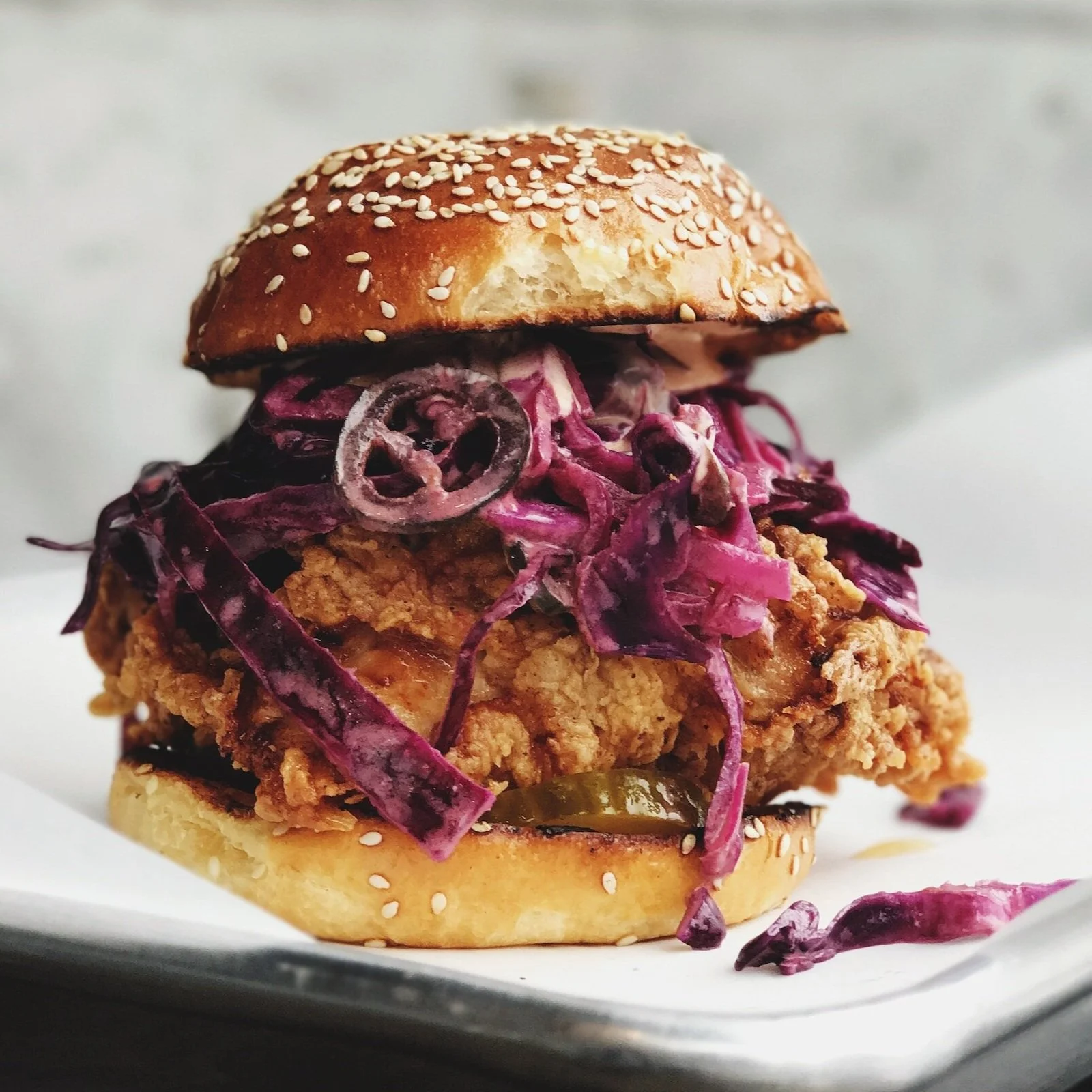
Chef Eva Chin is reshaping the landscape of Chinese cuisine in Canada with her innovative Neo-Chinese dishes. Drawing from her diverse cultural background and experiences, Eva combines traditional Chinese techniques with local Canadian ingredients to create a culinary experience that bridges history, identity, and culture. Discover how her storytelling through food is making waves in the Canadian food scene.